
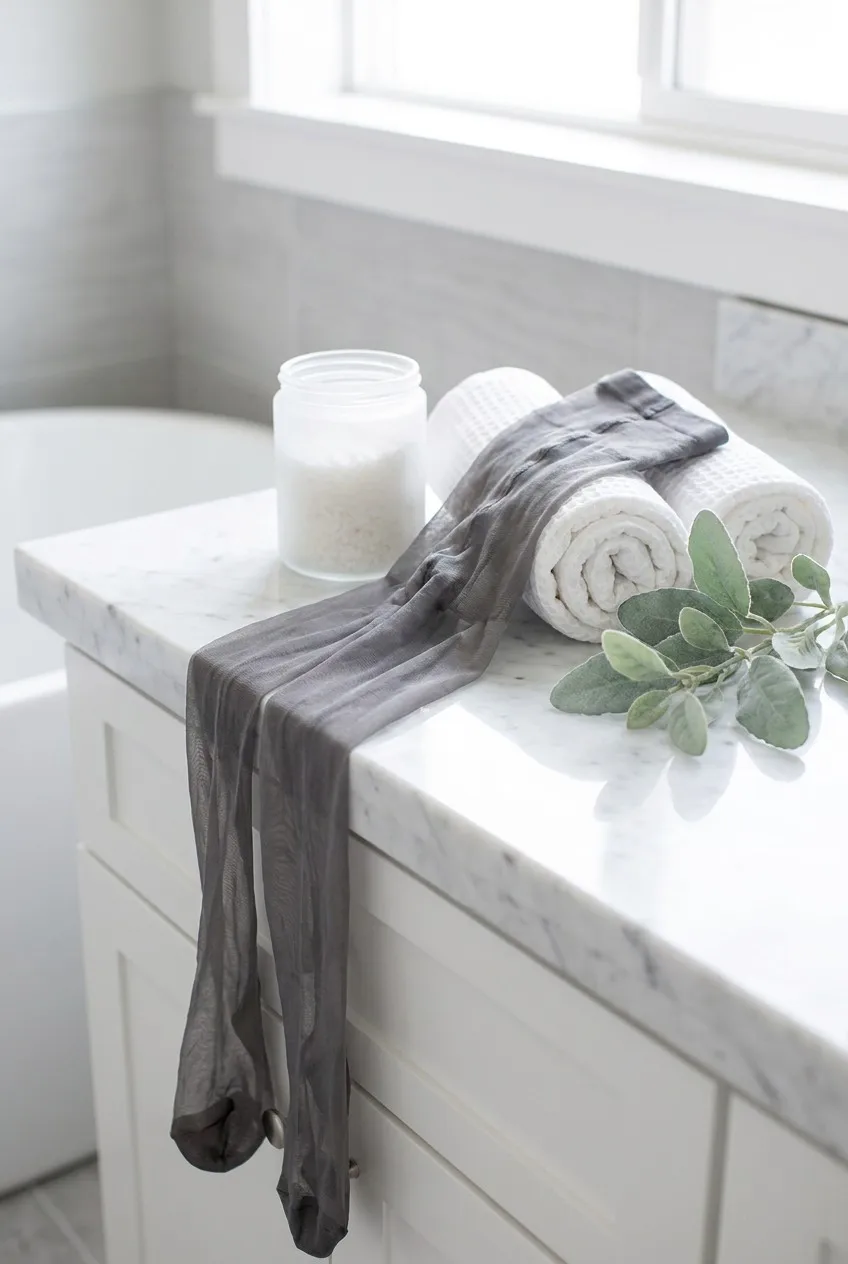
Choosing between 20 denier tights vs 40 denier comes down to season, market and the look you are selling. Both are staples; they simply do different jobs.
The technical difference
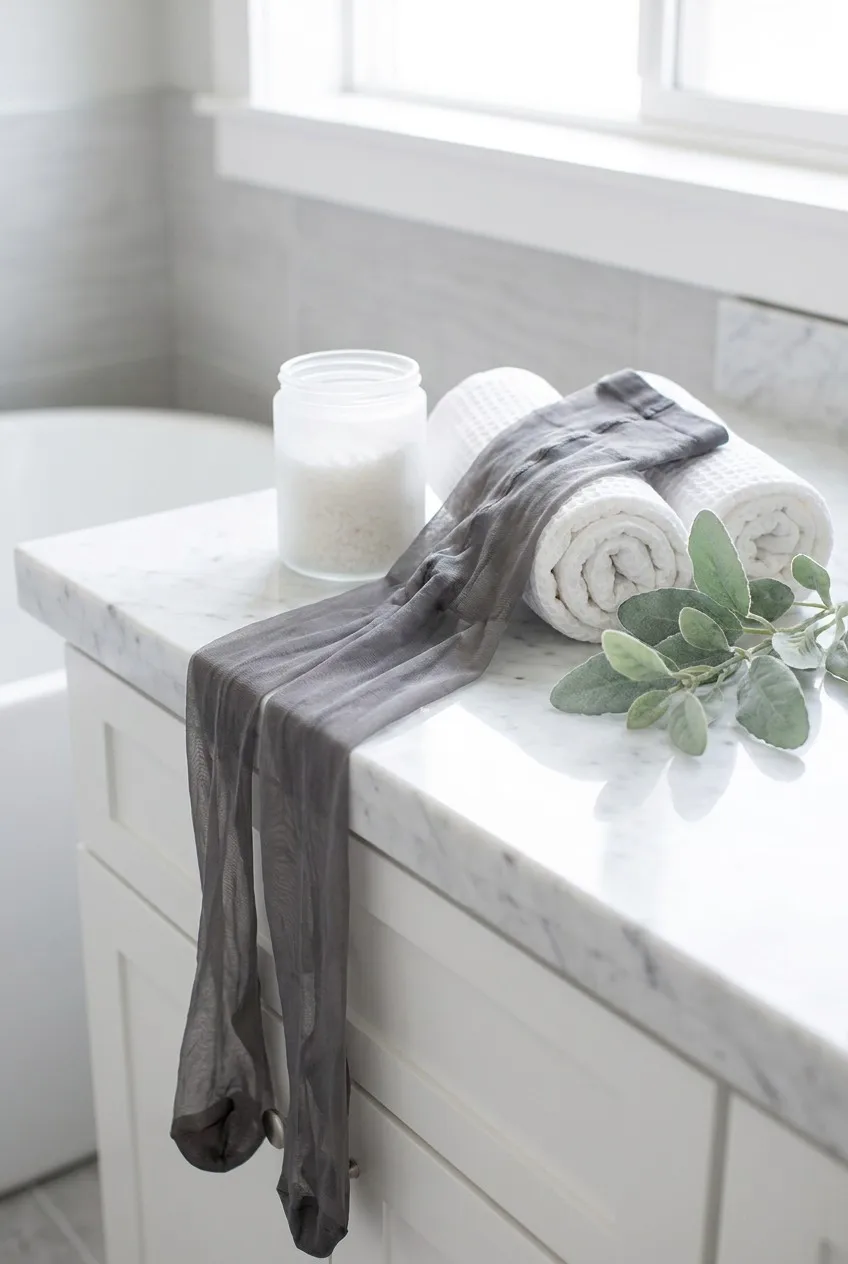
Denier measures yarn thickness. A 20D tight is knitted from fine yarn, so it is light and translucent; a 40D uses about twice the yarn, making it denser and semi-opaque. In practice, 20D is sheer and "barely there" while 40D veils the skin; 20D suits warm weather while 40D bridges spring and early autumn; the denser 40D knit resists runs better; and 20D reads formal while 40D reads everyday. Compare both in a sheer tights collection.
Which one should you stock?
Most retailers carry both and let the season sell, often splitting roughly 60/40 in favour of the weight that matches their climate: warmer markets lean 20D, cooler markets 40D. The cost gap is small, so perceived value decides more than price — 40D feels substantial and supports a slightly higher retail price, while 20D appeals to shoppers wanting a polished, sheer finish, such as these 20D ultra-thin reinforced toe tights.
Sourcing both from one supplier
Ordering both from one manufacturer simplifies colour matching and quality control. Dongyang Jiban Apparel Co., Ltd. produces the full range in-house in Zhejiang, China, from 10D sheer to 200D fleece-lined, following AQL 2.5 inspection with a low MOQ of 500 pairs. Request a quote for samples, usually ready in 7–10 days.