For global retailers and e-commerce entrepreneurs, learning how to import socks from China is a critical milestone in scaling a fashion business. China remains the world’s leading hub for hosiery manufacturing, offering an unparalleled combination of mature supply chains, advanced knitting technology, and competitive pricing. However, navigating the transition from a local buyer to an international importer requires a clear understanding of the process, from initial inquiry to final customs clearance.
Finding a Reliable Hosiery Supplier in China
The first step in your journey of sourcing from the textile hub is identifying a manufacturing partner that aligns with your quality standards and business scale. Dongyang Jiban Apparel Co., Ltd., based in the textile hub of Zhejiang Province, exemplifies the type of partner B2B buyers should seek. Established in 2022, the company operates five specialized in-house workshops: knitting, dyeing and finishing, sewing, heat-setting, and packaging.
When evaluating a supplier, focus on their specialization. Whether you need Plus Size Pantyhose 30D Ultra-Sheer or custom athletic socks, ensure the factory has the technical capability to handle your specific yarn requirements and denier counts. A professional supplier like Dongyang Jiban Apparel Co., Ltd. provides a 24-hour quotation response, which is essential for maintaining momentum in your sourcing project.
The Critical Sampling and Approval Phase
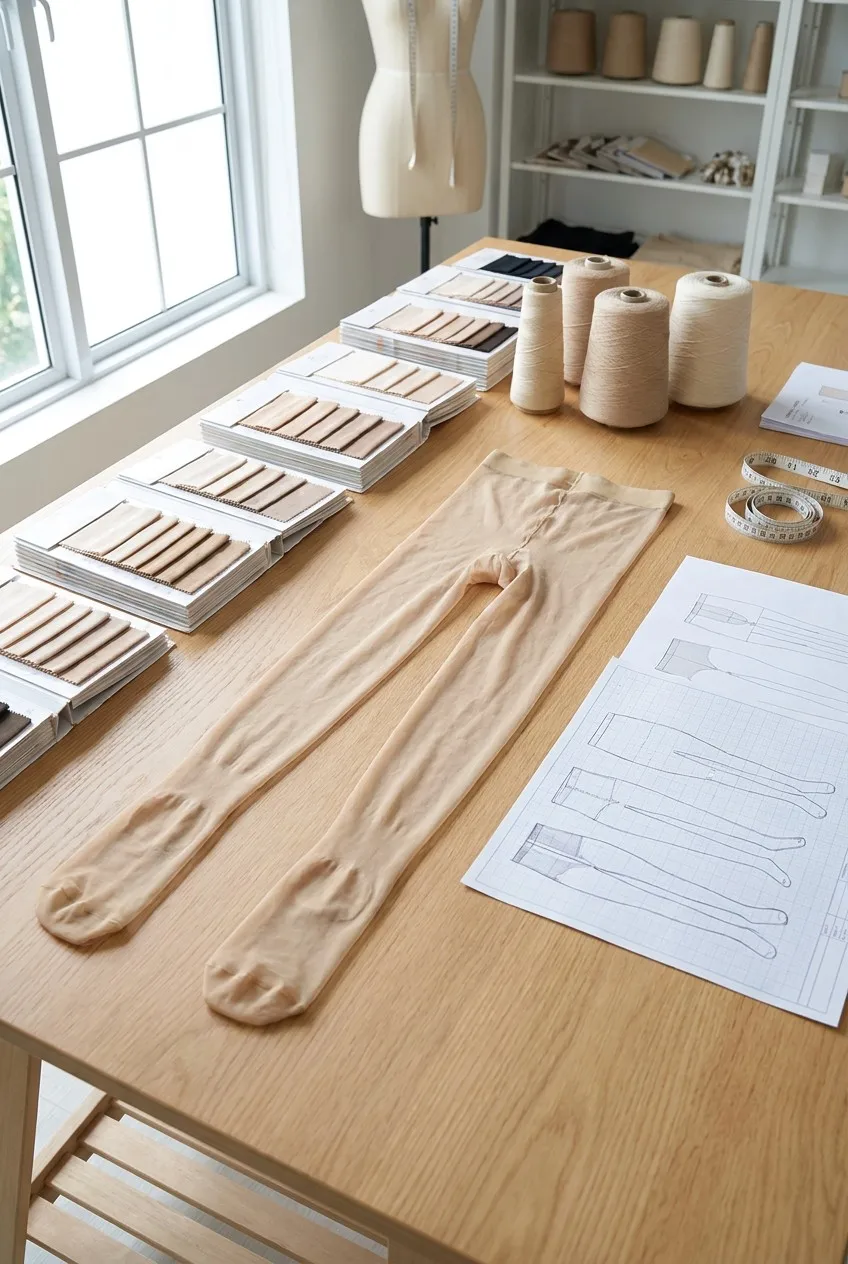
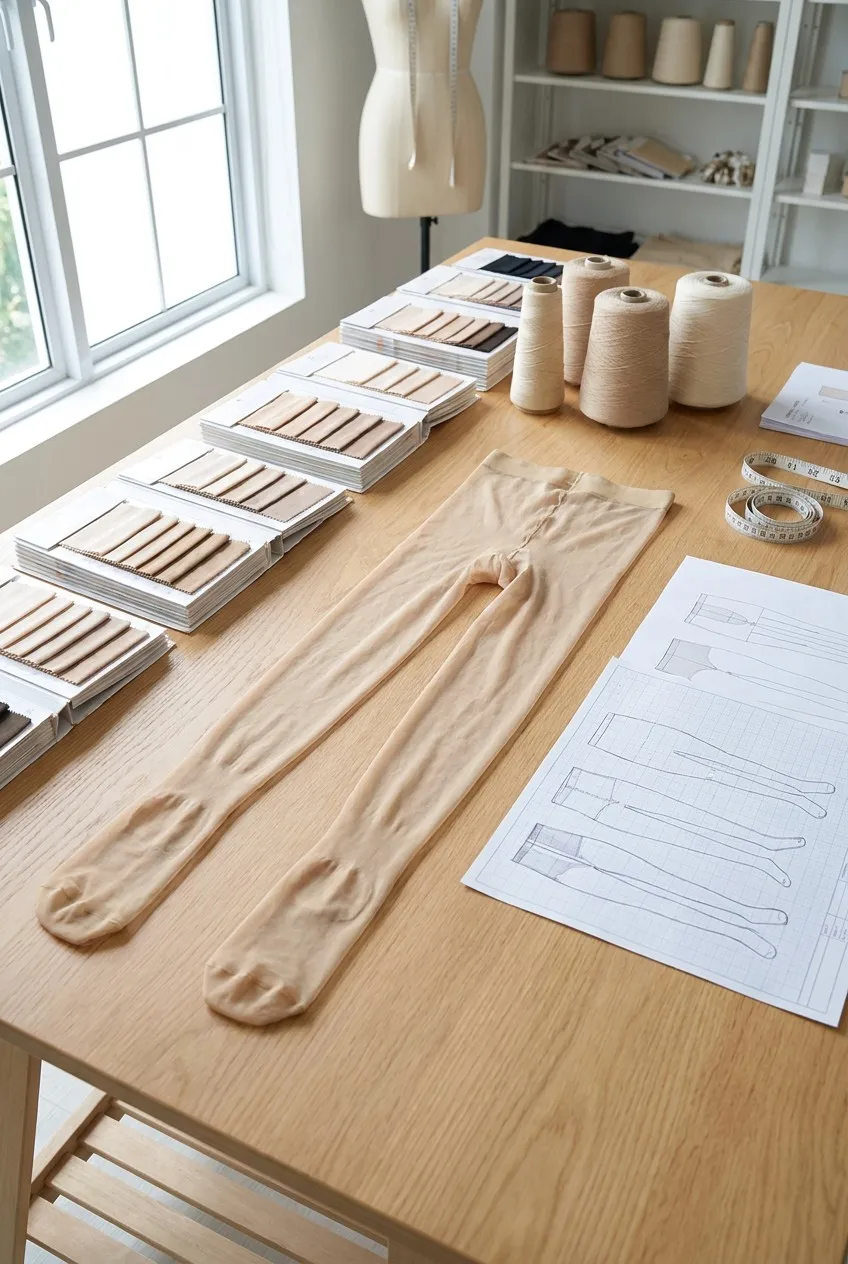
One of the most common pitfalls when learning how to import socks from China is rushing into bulk production without a "golden sample." At Dongyang Jiban Apparel Co., Ltd., the B2B order process and delivery includes a rigorous 7–10 day sampling window. During this time, the factory produces 3–5 pieces of wear-test samples along with color swatches for your approval.
This stage allows you to verify the hand-feel, stretch, and durability of products like Sheer 20D Ultra-Thin Reinforced Toe Tights. Once you approve the sample, it becomes the "golden sample"—the benchmark for quality that the factory must match during bulk production.
Understanding Order Terms and MOQs
For small to medium-sized retailers, finding a supplier with a low Minimum Order Quantity (MOQ) is vital. Many Chinese factories require tens of thousands of pairs, but specialized manufacturers like Dongyang Jiban Apparel Co., Ltd. offer a low MOQ starting at just 500 pairs for OEM and private-label runs.
When discussing payment terms, standard industry practice involves a deposit (typically 30%) to initiate production, with the balance paid after inspection but before shipping. Understanding these financial components is a major part of mastering how to import socks from China efficiently.
Production and Quality Control (AQL 2.5)
Bulk production usually takes 20–30 days. This includes knitting the socks, dyeing, setting, seaming (with hand-linked options for premium comfort), and applying anti-snag coatings. To ensure the final product meets your expectations, professional factories adhere to the AQL 2.5 quality standard.
During the mid and final inspection phases, the quality control team checks for defects in stitching, color consistency, and sizing. By choosing a factory that performs these internal audits, you minimize the risk of receiving unsellable inventory.
The Logistics of How to Import Socks from China: Sea vs. Air Freight
The final hurdle in learning how to import socks from China is logistics. You have two primary options: 1. Sea Freight: The most cost-effective method for bulk orders. Transit times from China to the US or Europe typically range from 25 to 40 days. It is ideal for large containers of wholesale socks where shipping costs must be kept low to preserve margins. 2. Air Freight: Faster (5-10 days) but significantly more expensive. Use this only for urgent restocks or high-value, lightweight products.
Essential Documentation for Customs and Duties
To clear customs in your home country, your Chinese supplier must provide a specific set of documents. These include: - Bill of Lading (B/L): The contract between the shipper and the carrier. - Commercial Invoice: Details the value of the goods for duty calculation. - Packing List: Specifies the quantity, weight, and dimensions of each carton. - Certificate of Origin (CO): May be required to prove the goods were made in China, which can affect tariff rates.
Dongyang Jiban Apparel Co., Ltd. ensures all documentation is accurate and provides container loading videos to give buyers peace of mind before the vessel leaves the port.
Work with Dongyang Jiban Apparel Co., Ltd.
If you are ready to start your journey and work with a trusted manufacturing partner, we are here to help. From custom festive patterns to plus-size staples, we provide the expertise needed to bring your hosiery brand to life.
For personalized pricing and technical support, Request a Quote today or Contact Us to discuss your specific private label requirements.